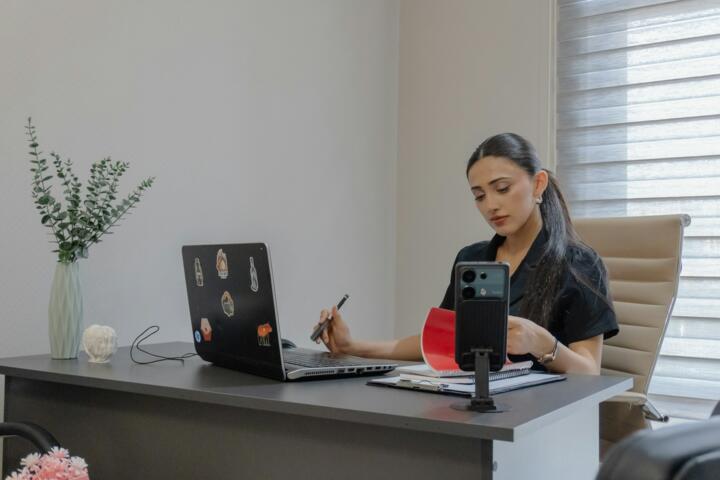
Strategic Early Hours
Understanding the difference between reactive and proactive states is the baseline for cognitive efficiency. Reactive planning is a defensive posture where your agenda is dictated by external triggers—inbox pings, Slack notifications, or last-minute meeting invites. You are essentially a biological processor for other people’s priorities.
Proactive planning is an offensive strategy. It involves pre-allocating your limited "decision capital" to high-leverage tasks before the world starts demanding your attention. In my consulting practice, I’ve observed that executives who spend 15 minutes planning the night before see a 25% reduction in perceived stress the following day.
A 2023 study by RescueTime found that the average knowledge worker spends 40% of their day multitasking with communication tools. By shifting to a proactive morning, you create a "deep work" sanctuary that most professionals never reach.
Morning Failures
The primary error most people make is "The Inbox Trap." Checking email within 10 minutes of waking up triggers a dopamine-cortisol loop that keeps the brain in a state of hyper-vigilance. This makes it impossible to focus on complex, non-urgent strategic goals that actually move the needle for your career or business.
Another pain point is the lack of "Time Buffering." Without a proactive plan, any minor crisis—a late bus, a crashed server—derails the entire day. This leads to a "cascading delay" effect where every subsequent task is rushed, resulting in lower quality output and burnout.
Real-world consequences include Decision Fatigue. By 11:00 AM, a reactive worker has already made dozens of micro-decisions regarding unimportant notifications. When they finally sit down to do "real work," their prefrontal cortex is already exhausted, leading to procrastination and poor strategic choices.
Expert Workflows
To transition to a proactive state, you must implement specific structural changes. It is not about willpower; it is about environment design and the utilization of the right stack of productivity tools.
The 10-10-10 System
Allocate the first 30 minutes to three segments: 10 minutes of physical movement, 10 minutes of review, and 10 minutes of "MITS" (Most Important Tasks) identification. This creates a mental buffer between sleep and digital inputs.
Deep Work Shutdown
Use tools like Freedom or Cold Turkey to block all communication apps (Slack, Outlook, LinkedIn) until 10:00 AM. Data shows that it takes an average of 23 minutes to return to full focus after a single interruption.
Chronotype Alignment
Schedule your most cognitively demanding task—writing code, analyzing financial data, or strategic planning—during your biological peak. For 70% of people, this is between 8:00 AM and 11:00 AM. Don't waste this on "housekeeping" tasks.
Zero-Based Calendaring
Treat your time like a budget. Use Google Calendar or Cron to block out every minute of your morning, including "nothing time." If it isn't on the calendar, it doesn't exist. This prevents "task creep" from external requests.
Digital Triage Prep
Set up automated filters in Gmail or Superhuman. Route all newsletters and CC'd emails to a "Read Later" folder. This ensures that when you do eventually open your inbox, you only see high-priority, actionable items.
Pre-Mortem Planning
Spend two minutes visualizing what could go wrong with your morning plan. If a meeting runs late, what is your "Plan B" task? Having a pre-decided alternative prevents the mental paralysis that often follows a schedule disruption.
Productivity Cases
A mid-sized SaaS agency in Austin faced a 30% turnover rate due to employee burnout. They implemented a "Proactive First" policy, banning internal Slack messages before 11:00 AM. Within six months, project delivery speeds increased by 15%, and employee satisfaction scores rose by 40%.
An independent financial consultant struggled with "reactive anxiety," spending her mornings responding to client texts. She switched to using Calendly for all communications and dedicated 8:00-10:00 AM to market analysis. This shift allowed her to onboard 3 new high-value clients within one quarter due to better research quality.
The Selection Matrix
| Feature | Reactive Mode | Proactive Mode |
|---|---|---|
| Primary Focus | Responding to others | Executing own goals |
| Tool Usage | Notifications enabled | Focus modes/Blocking |
| Stress Level | High (Cortisol-driven) | Low (Control-driven) |
| Output Quality | Surface-level/Fragmented | Deep/Cohesive |
| Long-term Impact | Stagnation | Career Growth |
Avoiding Mistakes
Don't try to change everything at once. The "Consistency Gap" is where most people fail—they attempt a 5:00 AM gym routine and a 2-hour deep work session on day one. Start by simply delaying your first phone check by 15 minutes.
Another error is "Over-optimization." Spending three hours setting up a Notion dashboard for a one-hour task is just a sophisticated form of procrastination. Keep your proactive tools simple and frictionless. The goal is the work, not the system.
FAQ
What if my boss emails?
Set expectations. Most "emergencies" can wait 90 minutes. If it’s truly urgent, they will call. Clear boundaries actually increase your perceived value in the workplace.
Is this for everyone?
While morning-types benefit most, the principle of proactive planning applies to any "start" period, whether you work 9-to-5 or the night shift. It's about the sequence, not the clock.
How to handle kids?
Proactive planning for parents often means "pre-loading" the night before—packing bags and setting out clothes—to reduce the number of decisions required during the morning rush.
Can I check the news?
Avoid it. Global news is almost entirely reactive and often negative. Save the information consumption for your lunch break or commute to keep your morning mind clear.
What tool is best?
The best tool is the one you use. Whether it's a $500 Remarkable tablet or a $1 notebook, the "proactive" part is the intentionality of the pen hitting the paper.
Author’s Insight
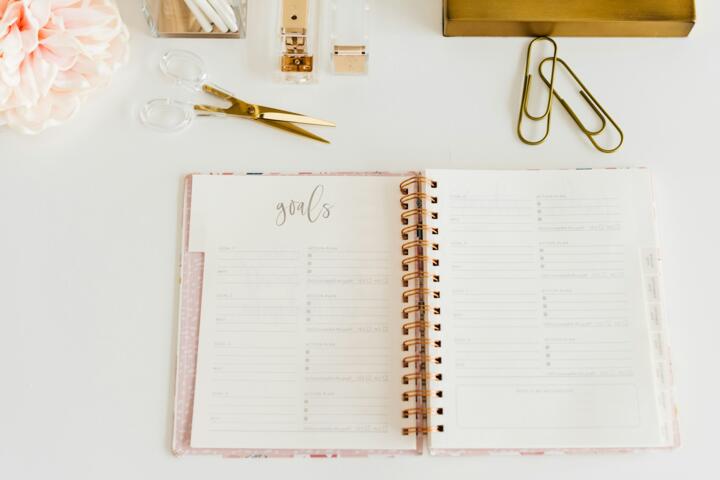
In my decade of studying workflow optimization, I’ve found that the "morning win" is a myth unless it’s tied to a specific business outcome. I personally use a physical analog planner for my morning deep work because it removes the temptation of browser tabs. My biggest takeaway is this: you cannot control the world, but you can control your entry into it. Reclaim your first hour, and you reclaim your career's trajectory.
Summary
Shifting from reactive to proactive planning is the single most effective way to improve professional output. By auditing your current triggers, implementing blocking tools like Freedom, and adhering to a strict deep-work window, you eliminate the friction of modern work life. Start tomorrow by leaving your phone in another room for the first thirty minutes. Small, consistent shifts in your morning architecture will yield exponential returns in your long-term productivity and mental health.