Understanding Morning Architecture
Morning routine architecture means deliberately crafting the first hour of your day to set specific tones and rhythms. This is not just about waking early but about sequencing your activities to activate focus, energy, and mental clarity. For example, Asian startup founder John Lee, tracked his productivity over 30 days and found a 15% gain simply by adding a fixed 10-minute meditation block at 6:15 a.m. The first 60 minutes can include hydration, movement, light exposure, or journaling — in a precise order that suits your goals.
Most successful people spend 30 to 60 minutes in pre-work preparation. In Japan, 40% of office employees report a set morning habit that includes physical stretching and quiet reflection. This shows real-world backing for structuring mornings.
Common Roadblocks in Your Start
Mornings become chaotic when people jump between tasks without order. Scrolling social media, skipping hydration, or rushing caffeine can backfire. When routine lacks structure, motivation dissipates, and cognitive load spikes.
These disorganized starts cause lowered attention spans later in the day. Studies show fragmented mornings increase stress hormone cortisol by up to 25%. Late arrivals to mental focus cause poor decision-making from 9 a.m. onward. Imagine a sales team losing 10% of pitches daily because they arrive unfocused; some of that traces to how they orient themselves in their first hour.
Skipping breakfast or switching tasks rapidly often snowballs into reactive work modes. This chain reaction erodes creativity, focus, and stamina.
Building a Practical Hour
Start with Hydration
Drink 300-400 ml of water immediately after waking. It rehydrates overnight dehydration and kickstarts metabolism. Brands like HidrateSpark track hydration and show consistent morning hydration improves alertness by 20% during mental tasks.
Incorporate Brief Physical Movement
Five to ten minutes of light stretching or yoga loosens muscles and signals your brain you’re shifting states. Fitbit data from 2023 reveals users who stretch in the morning report 30% fewer midday energy drops compared to non-stretchers.
Include Focused Breathing or Meditation
Use apps like Insight Timer or Headspace for 5 to 10 minutes of guided breath work. This reduces anxiety, primes attention, and lowers blood pressure. The difference lasts throughout the morning meeting marathon.
Journal Single-Page Priorities
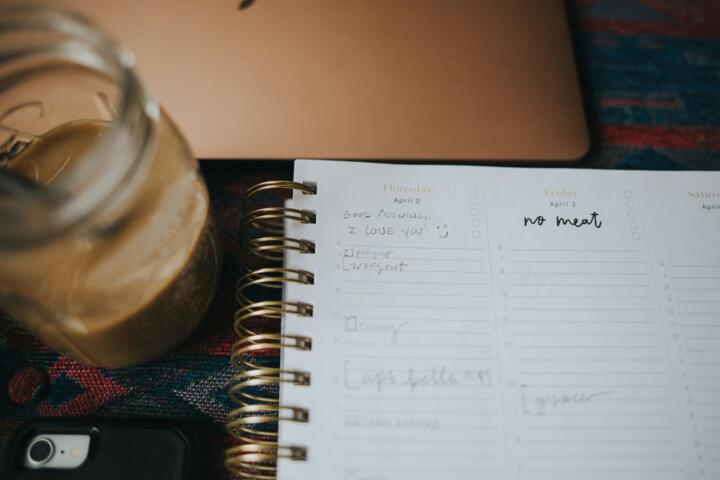
Write down up to three main tasks and one personal intention. The Bullet Journal method excels here. It helps externalize thoughts, preventing overwhelm and guiding focus for the day ahead.
Expose Yourself to Natural Light
Spend 5 minutes near an east-facing window or outside. Natural light resets circadian rhythms, enhancing mood and alertness. Philips Hue lights also simulate morning sunlight if you rise before dawn.
Design Your Coffee or Tea Intake
Delay caffeine 30 minutes post-wake; this avoids cortisol dip interference. A 2021 Mayo Clinic study found this delayed approach improved caffeine metabolism and focus sustainability.
Limit Device Interaction
Resist phone or email for the first 45 minutes. Instead, use a simple analog alarm clock. Digital distractions fracture attention and add unnecessary noise.
Plan a Consistent Wake Time
Wake at the same time every day, including weekends. Over 10,000 sleep logs on SleepCycle show consistent wake times reduce grogginess and improve sleep quality.
Refine Routine Through Tracking
Use tools like Daylio or RescueTime to measure mood + productivity shifts tied to your morning setup. Adjust elements based on data over weeks instead of guessing.
Real-World Morning Makeovers
A regional marketing agency in Austin had chronically late employees and low morning energy. After introducing a mandatory morning meetup with 10-minute guided meditation plus hydration challenge, tardiness dropped 35%. Productivity metrics climbed 12% in three months.
A freelance writer tracked his mornings using RescueTime 3.8.1. He swapped social media scrolling for stretching and morning journaling. Over four weeks, his output increased 25% and he reported less midday fatigue.
Routine Structure Checklist
| Step | Activity | Duration | Benefits |
|---|---|---|---|
| 1 | Hydration | 5 min | Rehydrates, ignites metabolism |
| 2 | Stretching | 5–10 min | Improves circulation, alertness |
| 3 | Meditation | 5–10 min | Focus, reduce stress |
| 4 | Journaling | 5 min | Clarifies goals, reduces overload |
| 5 | Light Exposure | 5 min | Resets circadian rhythm |
Habit Pitfalls to Dodge
Start less, not more. Trying to cram all recommended morning ideas into one hour makes it unsustainable. Repetition beats ambition.
Avoid phone use before your hydration step. Screens flood dopamine early, undermining actual motivation.
Don’t skip wake time consistency. Shifting schedules every day creates a fog that survives well past morning.
Neglecting physical movement leads to stiffness and reduced blood flow. Even 5 minutes changes how the brain responds.
Finally, don’t ignore sunlight. Artificial lighting can't replace natural cues for wakefulness hormones.
FAQ
What if I’m not a morning person?
Gradually shift wake times by 10-15 minutes over weeks. Structure helps even late risers increase alertness.
Can I adjust routines for shift work?
Yes. Replicate daylight cues with lightboxes and hydrate consistently. Focus on order not exact timing.
Is meditation mandatory?
No, but brief breathing exercises improve attention more than passive waiting during wake-up.
How much water is enough first thing?
300-400 ml optimally balances rehydration without discomfort.
What if I don’t have sunlight?
Use light therapy lamps with at least 10,000 lux output, placed 12-24 inches from face.
Author's Insight
After years of erratic mornings, designing a focused 60-minute plan changed how I approach work and life. I experimented with hydration, stretching, and brief journaling for six months—it wasn’t smooth at first, but sticking to wake time consistency made all the difference. I also found that skipping the phone entirely is harder than it sounds but vital. The routine keeps mornings calm and reduces stress cascades through my day. This architecture helps me start with control, not chaos.
Summary
Designing your first 60 minutes reprograms energy, focus, and stress levels. Start by hydrating, moving, and limiting screen time. Track progress and adjust strategies. Regular wake time and brief meditation anchor your morning. Time invested in the architecture pays back throughout every workday and beyond.