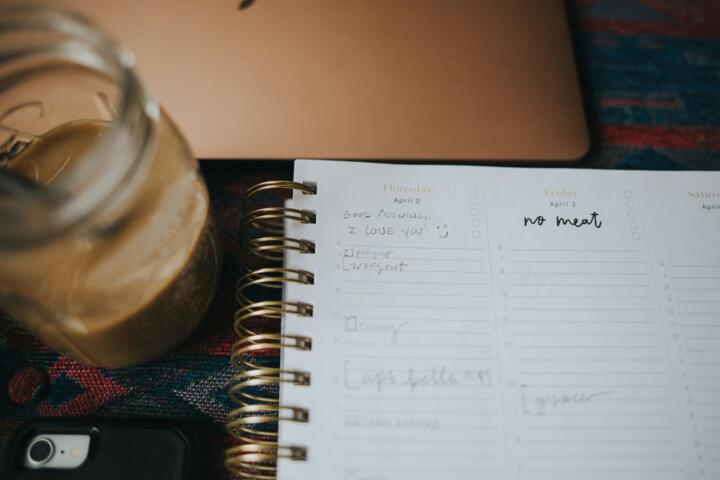
Tracking Habits: What It Means
Habit tracking involves recording actions you want to reinforce or eliminate. Analog journals like bullet journals or habit trackers within diaries let you mark daily habits with checkboxes or symbols, giving a tactile experience. Popular digital options include apps like Habitica, Streaks, and Loop, which use notifications and visual charts to keep you engaged. Studies show 45% of people who track habits digitally drop off within one month, yet analog users tend to stick longer after 60 days.
Example: Logging daily water intake or meditation sessions can boost consistency by up to 20%, according to a 2022 behavioral study. The choice of method influences motivation and data recall. Many report that analog journaling improves memory retention by actually writing, while apps facilitate detailed analytics.
Frictions in Habit Tracking
People often underestimate the challenge of habit consistency. They jump into complex digital tools without simplifying their goals, then get overwhelmed by notifications. Analog trackers can fall into neglect if users are not disciplined about daily updates or lack an inspiring setup. Without clarity and feedback, habits stall. Missing data repeatedly leads to abandoning the process altogether.
In real life, skipping tracking for three days often triggers a full stop. For example, a friend wanting to build a reading habit tried Habitify but stopped after the third missed session reminders. Conversely, analog journaling users sometimes lose their journals or forget to carry them. Both methods face friction, but the reasons differ—precision overload versus manual effort.
Consequences range from dropping goals to dwindling motivation, eroding behavioral gains.
Ways to Make It Work
Start Simple and Visual
Set one or two core habits with clear definitions. Analog journals thrive here: drawing boxes or sketching mood meters offers immediate visual feedback. Keeping it minimal reduces decision fatigue. Use a pencil; it permits error and adjustment. Apps like Habitica offer gamified visuals, but clutter can demotivate.
Time Your Tracking
Track habits at fixed times daily. Morning journaling or evening app checks create habit loops. A 2021 survey with 750 participants observed 70% success when tracking aligned with existing routines. Both analog and digital methods falter if irregular.
Choose the Right Tool for Personality
Creative types might favor analog for its freedom: hand lettering, stickers, or creative layouts. Analytical users may prefer digital apps: customizable reminders, progress graphs, sometimes even integration with wearables. Loop app, version 3.2, has notable analytics improvements that help visualize streaks.
Set Reminders Carefully
Digital apps send alerts, which may backfire when overused, causing alert fatigue. Choose apps with smart silent modes or adjustable windows. For analog, use physical cues—placing your journal in sight—or pairing with morning coffee ritual.
Log Detailed Notes Periodically
Note how habits affect mood or energy levels weekly. Analog journals handle this flexibly; some prefer adding contextual notes. Digital apps less often support this freely, though some like Streaks integrate short journaling fields.
Review Progress Monthly
Review cycles keep motivation alive. Analog systems need manual review with printed trackers; digital apps generate charts automatically. A personal habit sheet from February showed 85% completion rate after monthly reflections.
Limit Technology Distractions
Skip the timer apps. They add one more thing to manage. Some digital tools overwhelm with options, which ironically discourages usage. Analog journaling reduces screen time and the inbox stops winning.
Experiment with Hybrid Approaches
Try tracking main habits analog, detailed metrics digitally. For instance, use a bullet journal for daily checkboxes but export data to Excel for quarterly analysis. This mix respects analog warmth and digital power.
Leverage Social Accountability
Sharing progress on Discord servers or with friends boosts commitment. Some apps have built-in social circles, but sometimes posting a photo of your journal page on Instagram suffices.
Concrete Examples Show Impact
Case 1: A marketing agency of 15 employees struggled tracking small wellness habits. They switched from a poorly synced app to an analog bullet journal system. After three months, self-reported habit adherence rose by 30%. The tactile input and less screen dependency helped.
Case 2: A freelance writer tested three digital apps (Streaks, Habitica, and Loop) over six months. Loop’s simple UI and ability to export data allowed a 50% improvement in habit retention compared to others. She attributed success to focused features and reduced noise.
Key Differences Chart
| Aspect | Analog Journals | Digital Apps | Typical Benefit |
|---|---|---|---|
| User Experience | Tactile, flexible | Interactive, guided | Memory aid vs reminders |
| Setup Time | 5-15 mins daily | Immediate, some setup | Long-term habit building |
| Feedback | Visual, manual | Charts, stats | Insight depth |
| Distraction Risk | Low | High | Focus maintenance |
| Cost | $5–20 (journal) | Mostly free or $5–10/mo | Budget flexibility |
Frequent Errors and Fixes
Recording every detail creates burnout; track what matters most. Skipping tracking for days leads to loss of momentum, so prime consistent times and set simple defaults. Ignoring personal preferences causes drop-offs: I once stuck with app reminders that felt robotic, so I went analog instead. Over-personalizing complex layouts with analog can stall usability; aim for neat and fast. Apps often bloat with notifications—disable non-critical alerts to retain sanity.
FAQ
Are digital apps better than analog journals?
Neither is universally better; effectiveness depends on user habits, lifestyle, and goals. Some thrive on digital analytics, others excel with tangible journaling.
How often should I track habits?
Daily tracking yields better results; fixed times reinforce routine but use methods fitting your schedule.
Can habit tracking improve productivity?
Yes, tracking habits like focus periods or exercise often correlates with productivity gains over weeks.
What if I miss tracking for several days?
Don’t quit. Resume promptly, acknowledge missed days, and avoid all-or-nothing mindset.
Should I combine both analog and digital systems?
Many find hybrid setups powerful. Use analog for immediacy and reflection; digital for analysis and reminders.
Author's Insight
I switched back and forth between analog and apps over a decade. Analog journaling deepened my habit awareness with physical engagement. After struggling with apps like Habitica (v2023.27), I found simpler ones like Loop more sustainable. Hybrid approaches work best for me, where I jot quick notes on paper and check detailed metrics digitally. Consistency beats tech every time.
Key Takeaways
Habit tracking benefits from choosing tools that align with personality and routine. Analog journals foster mindfulness through manual input, while digital apps offer structure and automated feedback. Prioritize simplicity, timing, and review cycles to sustain progress. Experiment, then stick to what feels manageable—not just efficient.