Understanding Time Boxing
Time boxing means assigning a fixed period to work on a task and stopping when that time ends. Instead of aiming for endless improvement, you commit to finishing or moving forward within a set frame. For example, a graphic designer might allocate exactly 45 minutes to draft a logo concept and then switch to review without obsessing.
This approach finds roots in agile software development, where teams work in sprints usually lasting 2 weeks. According to a study published in the Journal of Applied Psychology, people who use time constraints increase output by 30% on average. It forces prioritization over perfection.
The ticking clock becomes a productivity ally rather than an enemy. That’s the core concept.
Common Pitfalls and Delays
Many confuse productivity with quality, leading to endless tweaking. Those trapped in perfectionism often find tasks stretch past deadlines, reducing overall output. Without boundaries, the mind defaults to adding features, refining copy, or double-checking data, even when the task is mostly done.
This causes stress and burnout, especially with looming deadlines that suddenly arrive. For project managers, it translates to missed milestones and frustrated clients. For individuals, results suffer when hours spent do not align with value created. The side effect: a backlog of unfinished projects or late submissions, eroding trust.
Without a method forcing time limits, productivity suffers decisively.
Key Steps to Use Time Boxing
Set Exact Limits
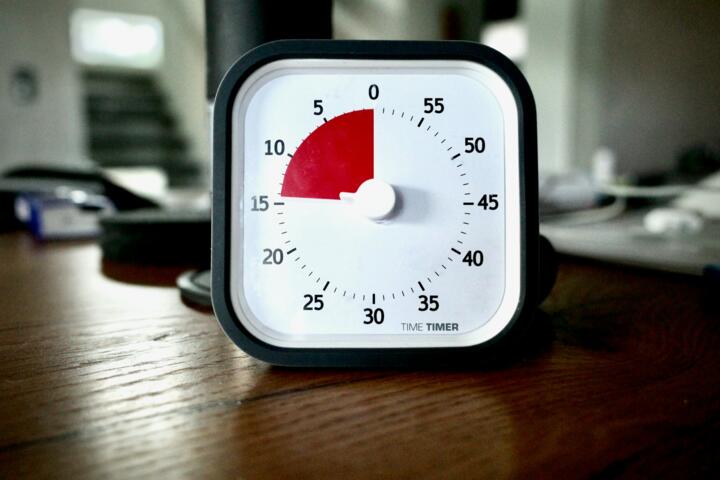
Start by assigning a strict time limit to each task — 15, 30, 60 minutes. The goal is clear boundaries. This cuts the urge to over-polish. Tools like Toggl Track or the Pomodoro timer app help, with Pomodoro cycles often set to 25-minute intervals. Timers trigger urgency, prompting faster work without sacrificing focus.
Prioritize Tasks Daily
Each morning, pick 3–5 tasks and assign time boxes. Priorities guide allocation, with higher-impact work getting larger blocks. This creates a realistic plan tied to the day’s energy limits. Instead of an open-ended to-do list, you gain a laser focus on measurable progress.
Use Clear Goals Inside Boxes
Each time box should have a clearly defined objective: write 500 words, finalize outline, review three cases. These concrete goals prevent drifting. Slack or Microsoft To-Do can integrate with calendars to keep goals front and center during blocks. Without goals, time boxes risk becoming vague breaks.
Limit Interruptions
Put devices on do not disturb, silence notifications. Even a 10-minute break to check messages disrupts flow. Apps like Forest or Focus@Will help maintain attention and track focus periods. Being rigid about interruption makes time boxing truly effective, something often overlooked by casual users.
Review Progress Quickly
At the end of each time box, spend 3–5 minutes reviewing output. Did you achieve the goal? What needs adjustment next? This quick reflection improves planning and stops wasted effort. It’s a feedback loop embedded in the method rather than a separate habit.
Adjust Time Blocks as Needed
Start with rough estimates, then refine durations based on actual pace. Some tasks take twice as long as planned; others finish early. Track these to build realistic expectations over time. For instance, I once underestimated editing time by 40% until I began logging effort precisely.
Batch Similar Tasks
Group small, related tasks in one time box – replying to emails, scheduling calls. This reduces mental switching cost, boosting efficiency. Tools like Google Calendar allow color-coded blocks to group activity types visually. It’s one of those ideas that seems obvious but many miss.
Use Time Boxing in Teams
When teams adopt synchronized time boxing, meetings and collaboration become tighter. One tech company sped up feature review cycles by instituting shared sprint time boxes, reducing overall project delays by 20%. Transparency around timing helps align expectations.
Stop Perfectionism with Deadlines
The fixed deadline trick is embedded in time boxing. Once time’s up, you move on even if details aren’t perfect. This practice trains your brain to spot diminishing returns in effort, helping to beat paralysis by analysis. Over months, it changes habits deeply.
Proof in Practice: Success Stories
A San Francisco marketing agency struggled with clients complaining about slow turnarounds. They began enforcing 60-minute time boxes for campaign drafts instead of allowing free-form design time. In 3 months, delivery speed increased by 25%, with client satisfaction scores improving by 15%. Staff reported less stress about unknown deadlines.
Meanwhile, a freelance writer adopted 45-minute writing blocks using the Pomodoro app, aiming for 500 words per block. That shift doubled monthly output to 40,000 words and reduced missed client deadlines to near zero. The writer noted a big drop in obsessive editing.
Step-By-Step Time Boxing
| Step | Action | Goal | Tools |
|---|---|---|---|
| 1 | Identify tasks | Focused list | To-do apps |
| 2 | Assign time boxes | Limit sessions | Calendar/Timers |
| 3 | Set goals per box | Clear output | Note apps |
| 4 | Start timer | Maintain focus | Pomodoro app |
| 5 | End session & review | Adjust next steps | Journal |
Traps and Fixes
Ignoring strict end times turns time boxing into open-ended work. The timer must control you, not the other way around. Multitasking inside boxes kills any benefit; strict singletasking matters. Neglecting review wastes learning — keep that short reflection habit. Finally, setting unrealistic time blocks leads to frustration and abandonment.
For example, I once set 20 minutes for a detailed report but kept running over, which, frankly, most people skip tracking, so problems compound.
FAQ
How long should each time box be?
Most effective boxes last between 15 to 60 minutes. Shorter slots reduce burnout risk; longer ones suit complex tasks. Experiment to find your sweet spot.
Can time boxing help with creative tasks?
Yes, by limiting overthinking. Creative sessions capped at 30 minutes often spark initial ideas, after which a break or switch maintains fresh perspective.
What if I don’t finish the task in time?
Stop and move on. The goal is progress, not perfection. Adjust future boxes if tasks consistently need more time.
Which tools support time boxing best?
Apps like Forest, Pomodoro timers, Microsoft To Do, and Toggl are popular. You can also use simple phone timers or calendar slots.
Is time boxing suitable for large projects?
Yes. Break down large projects into small chunks and assign boxes to each part. It reduces overwhelm and keeps deadlines manageable.
Author's Insight
In my work, time boxing has turned endless revisions into focused bursts. Early on, I doubted whether strict timing could fit creativity; turns out, it forces decision points I avoided before. While some deadlines seem arbitrary, the discipline of stopping is freeing. The key is honest tracking and staying flexible enough to adjust. Perfectionism loses its grip when the clock demands finishing – a lesson learned hard around 2018 for me.
Summary
Assign fixed times to your work to curb perfectionism and meet deadlines. Set clear goals inside each period and avoid distractions. Reflect briefly after sessions to improve. Use timers and to-do tools for structure. Stick to stopping even if work feels unfinished. This creates momentum and reduces procrastination, and your long-term output will grow steadily.